




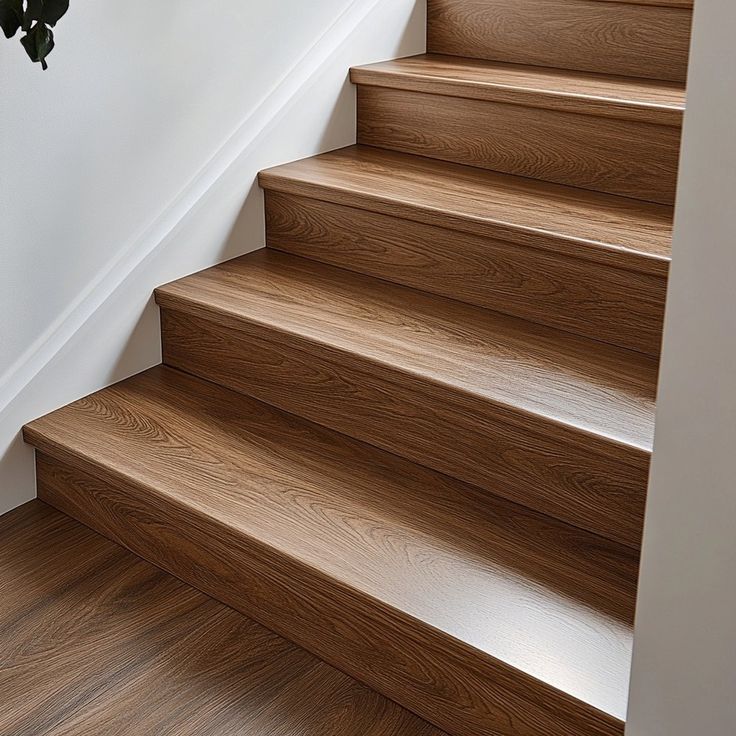
Every stair project depends on the right walking surface. For flooring dealers, remodelers, installers, homebuilders, architects, and interior designers, stair treads play an important role in both safety and finished appearance. A tread must support daily foot traffic, match the design of the space, and work with the full stair system. When selected with care, it can help turn a basic staircase into a polished part of the home or building.
Why Stair Tread Selection Matters
A stair tread is the horizontal part of the stair that people step on. Since it receives direct use every day, the material and construction need to be dependable. Poor tread selection can lead to faster surface wear, mismatched finishes, uneven appearance, and customer dissatisfaction after the project is complete.
For trade professionals, the right tread is not only about looks. It also affects installation planning, project timelines, and long-term performance. A quality tread should feel solid underfoot, hold up to repeated traffic, and suit the surrounding flooring, railing, trim, and wall finishes.
This is especially important in stair remodels. Many homeowners replace carpeted stairs with hardwood because they want a cleaner, more permanent finish. In these projects, the tread becomes one of the most visible parts of the renovation. If the species, color, and finish are chosen well, the staircase can feel connected to the rest of the interior.
Hardwood Stair Treads for Professional Projects
Hardwood remains a popular choice because it offers strength, natural character, and a lasting appearance. Oak, maple, hickory, walnut, and other hardwood species each bring a different grain pattern and tone. This gives dealers and designers several options when matching the staircase to flooring or other woodwork.
For flooring retailers, hardwood treads are a practical product to recommend alongside hardwood flooring, risers, and stair accessories. Many customers want their stairs to match or complement their floors, so having stair parts available can help complete the sale.
For remodeling contractors and stair installers, hardwood treads offer a dependable surface for both open and closed staircases. They can be used in traditional homes, new builds, custom homes, and light commercial interiors. With proper measuring and installation, they give the staircase a finished look that customers can see and feel every day.
Prefinished Stair Treads Can Save Jobsite Time
Prefinished stair treads are useful for projects where time, cleanliness, and finish control matter. Instead of sanding and finishing the treads on-site, installers can work with pieces that arrive already coated. This can reduce dust, odor, drying time, and disruption inside the property.
This is helpful in occupied homes, where homeowners may not want the mess and delay of on-site finishing. It can also support tighter construction schedules for builders and remodelers. When the finish is applied before delivery, the appearance is more predictable and easier to review before installation.
Prefinished options can also help flooring dealers present clearer choices to customers. Rather than relying only on raw wood samples, buyers can compare finished tones and make decisions with more confidence.
Key Details to Review Before Ordering
Before ordering stair treads, trade buyers should review the project details carefully. Measurements are the first step. Tread width, depth, and thickness need to match the staircase requirements. Inaccurate measurements can create delays or require field adjustments that affect the final result.
Return type is another important detail. A staircase with one exposed side may need a left-return or right-return tread. A staircase with both sides exposed may require a double-return tread. Fully enclosed staircases may use plain treads without finished returns. Confirming this early helps avoid ordering mistakes.
Wood species should also be chosen based on the project goals. Oak is often selected for its familiar grain and durability. Maple gives a smoother, cleaner look. Hickory provides more color variation and character. Walnut offers a darker, richer appearance. Each species can work well when matched to the design and expected use of the space.
Finish selection matters as well. Lighter finishes can make stairs feel brighter and more open. Darker finishes can add contrast and a more formal look. Designers should consider surrounding floors, wall colors, trim, railings, and natural light before making the final choice.
Matching Stair Parts Create a Better Finished Result
A successful stair project often requires more than treads alone. Risers, landing treads, nosing, moulding, and other stair parts may be needed to complete the installation. When these pieces are planned together, the staircase looks more consistent and professional.
This is where coordination matters for architects, designers, and contractors. If the tread and riser choices do not work well together, the staircase can feel unfinished. Painted risers with hardwood treads can create a classic look. Matching wood risers can create a warmer, more uniform appearance.
For builders, planning stair parts early can prevent delays during finishing stages. For remodelers, it helps set clear expectations with homeowners before work begins. For flooring dealers, it creates a better customer experience by helping buyers understand the full list of materials needed.
How Trade Buyers Can Use Stair Treads in Different Projects
Flooring dealers can offer stair treads as an add-on for hardwood flooring customers. Remodelers can use them to replace worn carpet, damaged steps, or outdated stair materials. Stair installers can use them for full staircase upgrades, while builders can include them in new homes where buyers expect quality finishes.
Architects and interior designers can specify stair treads based on the style, traffic level, and overall material plan for the space. A staircase is often one of the first things people see in an entryway or open living area, so the tread choice can strongly affect the finished design.
For professional stair projects, dependable materials and clear product selection can make a major difference. To review hardwood stair parts, prefinished options, and related products for upcoming builds or remodels, visit Wood Stair Co and explore options suited for trade and residential projects.