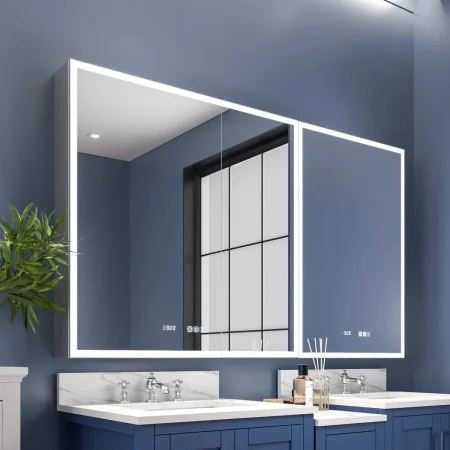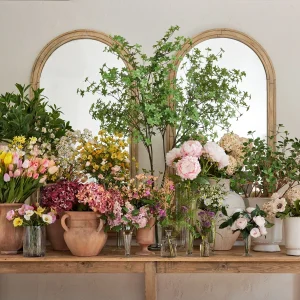




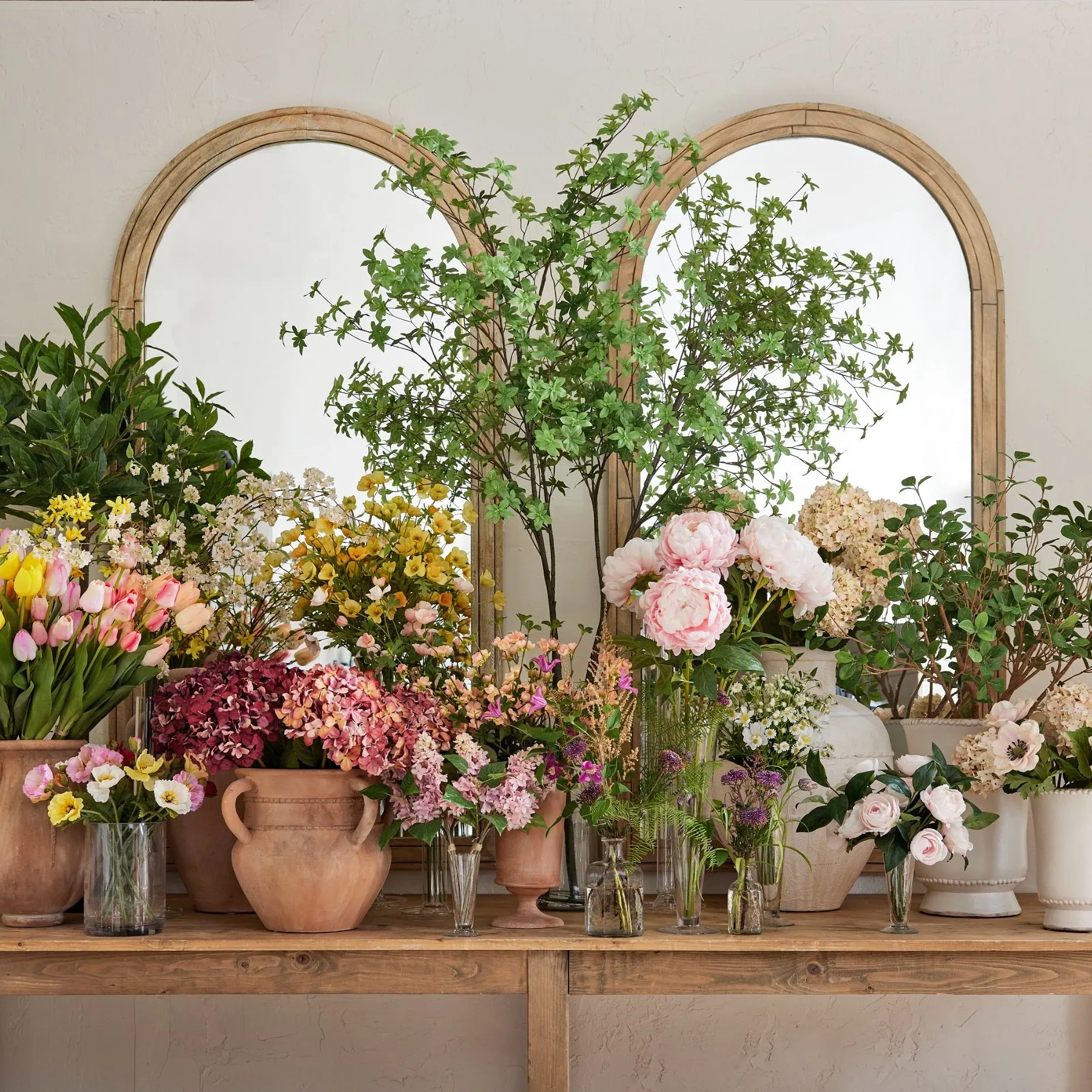
Flowers can make a room feel brighter, softer, and more thoughtfully styled, but fresh arrangements require regular replacement and care. For homeowners, decorators, and real estate professionals who want a lasting decorative option, fake floral arrangements can bring color, shape, and texture into a space without the upkeep associated with fresh flowers.
Why Floral Arrangements Work So Well Indoors
Interior spaces are often built around hard surfaces and straight lines. Tables, shelving, cabinetry, walls, and upholstered furniture can create structure, but they may also leave a room feeling flat.
Floral arrangements introduce softer forms that contrast with those elements. Petals, stems, leaves, and branches can help break up rigid lines and add another layer of visual interest.
Flowers can also introduce color without requiring permanent changes. Instead of repainting a wall or replacing furniture, an arrangement can bring in a new accent shade that ties together pillows, artwork, rugs, or other decorative pieces.
Because artificial arrangements maintain their appearance, they are especially practical in rooms where consistent presentation matters.
Choose an Arrangement That Matches the Room
The size and style of the arrangement should reflect the room where it will be used.
A compact arrangement may work well on a nightstand, bathroom counter, or small side table. Larger pieces are usually better suited to dining tables, entryway consoles, kitchen islands, or sideboards.
Color also matters. Neutral interiors can benefit from soft whites, creams, blush tones, or muted greenery. Rooms with stronger colors may work better with simpler floral combinations that do not compete with existing décor.
The goal is to make the arrangement feel connected to the room rather than added as an afterthought.
Pay Attention to the Container
The vase or container plays a major role in the final look.
Clear glass can create a light, understated appearance. Ceramic containers often add more visual weight and work well in living rooms, dining areas, and entryways.
Woven baskets and textured vessels can suit relaxed interiors, while simpler planters may work better in modern spaces.
The container should also be proportional to the arrangement. A large bouquet placed in a very small vase can look top-heavy, while a tiny arrangement in an oversized container may feel unbalanced.
Choosing the right combination helps the flowers look more natural within the room.
Style Different Rooms Differently
Not every room needs the same type of floral décor.
Living rooms can support medium or large arrangements on coffee tables, consoles, or sideboards. Bedrooms generally benefit from smaller pieces that add softness without creating visual clutter.
Dining areas are ideal for low arrangements that allow conversation across the table. Kitchens can handle brighter or more casual florals, particularly on islands and breakfast tables.
Bathrooms often work best with compact arrangements that add color without taking up valuable counter space.
Entryways are another strong location because flowers can create an immediate sense of warmth when someone enters the home.
Use Florals to Refresh a Space Seasonally
Artificial arrangements can also make seasonal decorating easier.
Spring may call for lighter colors and airy arrangements, while fall can support deeper shades and richer textures. During the holidays, florals can be paired with candles, garlands, wreaths, or decorative objects.
The advantage is that arrangements can be stored and reused instead of replaced every season.
This makes it possible to refresh a room with relatively small changes rather than buying entirely new décor throughout the year.
Use Floral Arrangements for Home Staging
Realtors and home stagers can use artificial florals to make properties feel warmer and more inviting.
A simple arrangement on a kitchen island can draw attention to the space while making it feel more lived in. Flowers on a dining table can help buyers imagine using the room for meals and gatherings.
Small arrangements in bedrooms or bathrooms can add color without introducing personal items that may distract prospective buyers.
Artificial flowers are especially useful when a property may remain staged for several weeks. There is no need to replace wilted flowers or make sure arrangements look fresh before each showing.
The same pieces can also be moved easily between rooms depending on photography needs or open-house preparation.
Avoid Overdecorating
One of the most common mistakes is using too many floral pieces in one space.
If every surface contains flowers, the room can start to feel cluttered. It is usually better to choose a few locations where the arrangement adds something meaningful.
Height is another consideration. Tall arrangements may work well on consoles or sideboards, but they can be distracting in the center of a dining table.
Repetition can also make a home feel overly staged. Using different sizes, flower types, and containers throughout the space creates a more relaxed appearance.
Regular cleaning matters as well. Keeping petals and leaves free of dust helps preserve their realistic appearance over time.
Give Rooms a More Finished Look
Artificial floral décor can add color, softness, and visual structure to living rooms, bedrooms, kitchens, offices, and staged properties without requiring regular plant care or replacement. With thoughtful placement and the right scale, florals can help a room feel more complete while remaining easy to rearrange as décor changes. For homeowners, retailers, decorators, and real estate professionals looking for floral pieces for a range of interiors, visit Fake Flowers to explore options for everyday decorating and home staging.