


For many years, jewellery trends were all about basic designs and seasonal collections. Consumers usually choose from a small choice of styles that were made for the general public. These collections are still relevant, but today’s buyers are looking for more and more options that stray from traditional patterns.
Custom jewellery makes that freedom possible. A concept, an inspiration, or even a drawing may get the client started, and a jeweller can work with the customer to make it into a completed item. With this method you may choose things that you would not always be able to do with ready-made jewelry.
Customisation is appealing because of a need for personal expression. The Jewelry Manufacturers outcome does not have to be in a certain trend. It might represent the personal preferences of the user. It’s not only the materials utilised that count. It also lies in the talent, time, creativity and competence that goes into bringing a unique notion to reality.
Jewellery That Has a Personal History
This is particularly vital in an age in which the individual has emerged as a significant factor in fashion and lifestyle choices. People customise clothes, furniture, technology and even digital encounters. Jewellery is heading in the same path. Consumers are asking not for what everyone else is wearing but what reflects them.
Customisation adds additional dimension to that skill since the thing has to be made to a particular vision instead of a conventional manufacturing model.
Consultation is frequently the first step in the process. The jeweller must get to know the client’s tastes, lifestyle, usage of the piece and what the buyer desires in the design. Ideas are then explored via drawings, references, measurements and talks regarding materials. Based on the intricacy of the work, digital modelling or detailed graphics may also be employed to visualise the ultimate product. Jewellers and clients may “test drive” ideas using digital design tools that let them improve a notion and see what the completed item will look like before manufacturing starts.
Sustainable & Conscious Luxury
Custom jewellery may result in more purposeful consumption since it narrows the attention to crafting an item that the user really desires. Instead of purchasing multiple items that rapidly lose their attractiveness, a person could choose for one skilfully crafted object that will stay important for years.
Customised jewellery also has chances to repurpose current materials. Old objects may be re-designed, mended or turned into new creations. CAD can provide comprehensive drawings of a proposed part. Customers are able to see dimensions, forms, settings and other design aspects before the jewellery is physically made. This may lessen the uncertainty and make the cooperation between consumer and jeweller more engaging.
The options for customisation have also been enhanced by advanced production processes. More accuracy than achievable with conventional processes alone may now be used to manufacture some complicated forms and detailed structures. Technology doesn’t necessarily replace expertise. It may improve the work of talented craftspeople by providing them more tools to create intricate patterns. It may be ageless in design and its emotional importance can evolve with the user.
This is part of a general shift toward quantity over quality. “Luxury today is more about considered buying, longevity, craftsmanship and emotional value.” Custom jewellery fits in with these tenets, since it encourages buyers to design items they are more inclined to cherish rather than replace.
Custom Jewellery to Create a Signature Look
Personal style isn’t necessarily about trends. It’s usually about making a person’s look seem like it belongs to them via recognisable features. Custom jewellery may be a significant part of your personal style.
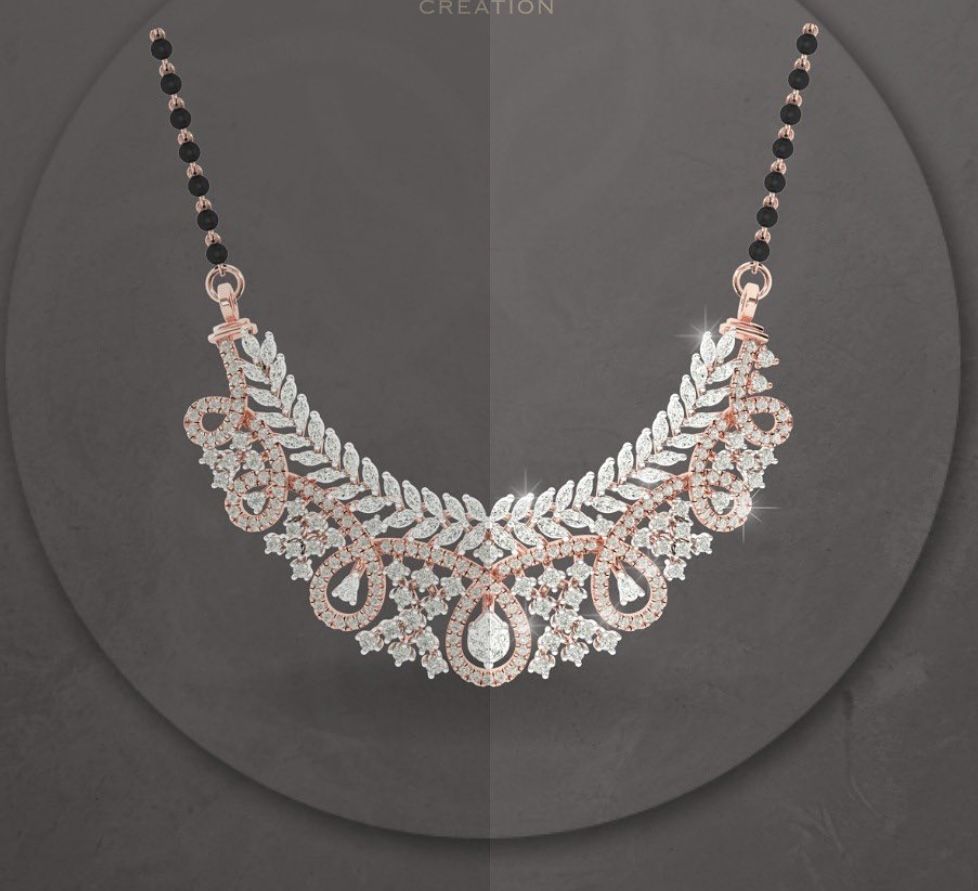
A trademark item doesn’t have to be spectacular, necessarily. Perhaps it’s an attractive pendant with an uncommon outline. Or a ring with an odd setting or earrings that include a particular form. The key is that the design feels right for the user.
Personalised items may become part of someone’s visual identity over time. The digital transition has also impacted the way consumers are inspired. Prior to starting the customisation process, consumers have the possibility to explore a vast number of designs via social media, online portfolios, fashion sites and digital mood boards. Customisation is especially beneficial as it may address practical demands, as well as aesthetics.
The outcome is jewellery that seems incorporated into daily life, rather than something that’s only there for special occasions. Customers may be involved in developing something that represents their personality, interests, memories and lifestyle instead of choosing a design from a conventional selection. You can see how it was made, from the form and metal to the gemstone, setting, finish and engraving, for each part of the item.
The Artisans Behind a Custom Creation
People want their clothes to speak about them. Clothing, accessories, home decor – and even ordinary things are increasingly designed to fit individual preferences. Jewellery is of course a huge part of this style since it is both ornamental and very personal. This makes personalised jewellery very relevant to the premium customer of today. A custom item is one of a kind and that’s not something that mass-produced jewellery can readily do. It’s built around a person, not a market, so the experience of ownership is as vital as the end product.
A certain form might represent a shared experience and a specific pattern could stand for a precious value or connection. The details may be modest, enabling the work to appear exquisite, but contain a deeper personal statement.
Custom jewellery isn’t only for romantic events. More and more people are ordering pieces to mark personal milestones and major transformations in their lives. Questions concerning lifestyle, chosen aesthetics, comfort, occasion and budget may all impact the final idea.
Summary
The Jewelry Manufacturers development is a vital step as it gives the consumer and jeweller a chance to enhance the concept. You may decide the proportions, where the stones go, what metal to use, the texture and finishing touches before you go into manufacturing. Modern design technologies may also aid visualise the proposed work, and make revisions simpler.