


How infrared thermography, capacitance and nuclear meters, and core cuts map the wet areas under a low-slope membrane so you replace what’s failed and keep what isn’t.
A leak on a commercial roof rarely shows up where the water gets in. Water enters through a breach in the membrane, runs sideways through the insulation, and drips into the building somewhere else entirely. By the time a stain appears on the ceiling, a chunk of insulation under the membrane is already wet, and wet insulation doesn’t dry out. It stays saturated, loses its R-value, corrodes the deck, and feeds the next leak. The problem is you can’t see any of it from on top of the membrane.
That’s the case for moisture scanning. Before anyone decides to tear off a roof, a thorough Calgary commercial roof inspection and analysis using infrared thermography and moisture meters can map exactly where the wet insulation is, which turns a guess into a measured decision. Sometimes the scan shows a contained wet area that justifies a partial replacement and saves most of the roof. Sometimes it shows saturation across the whole field that means full tear-off is the only honest option. Either way you’re spending money on what the roof actually needs. This piece covers how each method works and how they combine into a scope.
Why wet insulation is the real problem
The membrane gets the attention, but the insulation under it is where a leak does its lasting damage. When water gets past the membrane and into the insulation, it stays there. Most roof insulation holds water like a sponge, and a flat roof gives it nowhere to drain, so a wet area persists and spreads laterally with each new wetting event.
Wet insulation fails on several fronts at once. It loses most of its R-value, so the building’s heating bill climbs and the roof above it runs through worse condensation cycles. It holds moisture against the deck, which rots wood decks and corrodes steel ones over time. And it keeps the underside of the membrane wet, which accelerates the membrane’s own breakdown. A small membrane breach left alone becomes a large insulation problem.
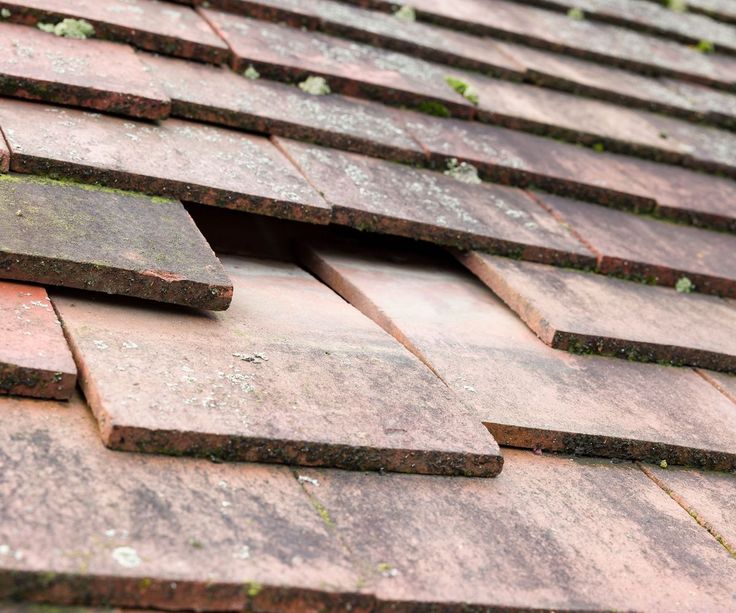
The reason this hides so well is that none of it is visible from the roof surface. A membrane can look intact and weathered-normal while the insulation beneath a section of it is soaked. You cannot find wet insulation by looking at the top of the roof, which is precisely why instruments that see beneath the membrane are worth the cost before any tear-off decision.
Infrared thermography: reading the heat
Infrared scanning works on a simple principle: wet insulation holds heat differently than dry insulation. During the day the whole roof absorbs solar heat. After sunset the dry areas cool quickly while the wet areas, holding more thermal mass in the trapped water, stay warmer for hours. An infrared camera reads those temperature differences and shows the wet zones as warm patches against the cooler dry field.
The timing is everything. A proper IR scan runs in the evening after a sunny day, in the window when the temperature difference between wet and dry areas is strongest and the roof surface itself is dry. Scan too early, or after rain, or on an overcast day with little solar loading, and the contrast isn’t there to read. The technician’s judgment about conditions is as important as the camera.
Done right, an infrared scan covers a large roof quickly and maps the suspected wet areas without touching the membrane. That map is the starting point, not the verdict. Infrared shows where the anomalies are; it does not prove they are moisture, which is why good scans get confirmed by a second method before anyone cuts the roof open.
Moisture meters: capacitance and nuclear
Two handheld instruments confirm what the infrared scan suggests. A capacitance meter reads the electrical properties of the roof assembly through the membrane; water changes those properties, and the meter registers the change as a relative moisture reading. It’s quick, non-destructive, and good for spot-checking the anomalies the IR scan flagged.
A nuclear meter, more precisely a nuclear hydrogen-detection gauge, uses a small radioactive source to detect hydrogen atoms, which in a roof assembly mostly means water. It reads moisture content at a grid of points and is one of the more reliable non-destructive methods for quantifying how wet an area is. It needs a licensed operator, but the data it produces is strong.
Neither meter replaces the infrared scan; they work together. Infrared finds the suspect areas fast across the whole roof, and the meters confirm and quantify the moisture at those points. Using infrared alone risks chasing a thermal anomaly that isn’t water; using meters alone is too slow to cover a whole roof.
Core cuts: the ground truth
All the non-destructive methods infer moisture indirectly. A core cut proves it directly. The technician cuts a small sample, typically a few inches square, clear through the membrane and insulation down to the deck, pulls it out, and looks at it. Wet insulation is obvious in the hand: it’s heavy, dark, and water runs out of it. A core also reveals the assembly’s makeup, the number of layers, the insulation type, and the deck’s condition.
Cores are taken at representative spots, both where the scan flagged wet and where it read dry, so the samples calibrate the non-destructive readings. After sampling, each core hole is patched watertight. The core is also what tells you what you’re dealing with structurally. A wet core that reveals a corroding steel deck or a rotting wood deck changes the conversation entirely, because now the problem isn’t just insulation, it’s the structure the whole roof sits on. That’s a finding you want before tear-off, not a surprise discovered mid-project.
Scoping partial versus full replacement
The whole point of scanning is to answer one question: how much of this roof actually needs to be replaced. The moisture map turns that into a measured decision rather than a guess, and the answer usually falls into one of a few patterns the scan makes clear.
- Contained wet area, dry field: a partial replacement of the wet section can be justified, saving the majority of the roof if the membrane elsewhere has life left.
- Scattered wet spots in an otherwise sound roof: targeted repairs plus possible coating restoration of the dry areas.
- Widespread saturation across much of the field: full tear-off and replacement, because partial work on a mostly-wet roof is throwing money away.
- Wet insulation plus deck deterioration found in cores: full replacement with deck repair, scoped with structural input.
Partial replacement only makes sense when the wet area is genuinely contained and the surrounding roof has real service life left. Scan results that show moisture creeping through most of the field are telling you that a partial fix will be chasing leaks within a year, and the honest call is full replacement. The scan is what lets you tell the two situations apart with confidence.
When scanning pays for itself
A moisture survey costs money up front, and it pays that back in two ways. The first is to avoid over-replacement. On a roof where a leak suggested the whole thing was done, a scan that finds a contained wet area can save the cost of tearing off and replacing thousands of square feet of sound roof. That single finding can dwarf the cost of the survey many times over.
The second payback is avoided under-replacement. On a roof where an owner wanted to patch a leak and move on, a scan that reveals widespread saturation prevents pouring money into repairs that would have failed within months. Both errors cost real money, and the scan guards against both. A dated moisture map also feeds a condition assessment, supports a warranty or insurance claim, and gives the next survey a baseline. Before committing to any significant roof project, a proper commercial roof leak detection in Calgary survey, pairing infrared scanning with meter and core confirmation, is the step that makes the scope honest and the budget right-sized.
Scan first, scope second
Wet insulation is the hidden half of most commercial roof problems, invisible from the surface and impossible to scope by eye. Infrared thermography maps the suspect areas fast, capacitance and nuclear meters confirm and quantify them, and core cuts prove the truth and reveal the deck’s condition. Together they turn a tear-off decision from a guess into a measured one, and they routinely save either the cost of replacing a sound roof or the cost of patching a dead one.
The order matters: scan first, then scope. An owner who commits to a full tear-off or a partial patch without a moisture survey is making a five- or six-figure decision blind. A survey by a moisture-survey roofing crew that runs infrared and confirms it with meters and cores costs a fraction of the roof and makes sure every dollar of the actual project goes where the roof needs it. Find the water before you write the scope, not after.
About the author — this article was contributed by Superior Roofing Ltd., a Calgary commercial roofing contractor with 25+ years of experience and HAAG Certified inspectors on staff. The team runs infrared moisture surveys, capacitance and nuclear meter readings, and core sampling to scope commercial roof projects accurately across Alberta.