




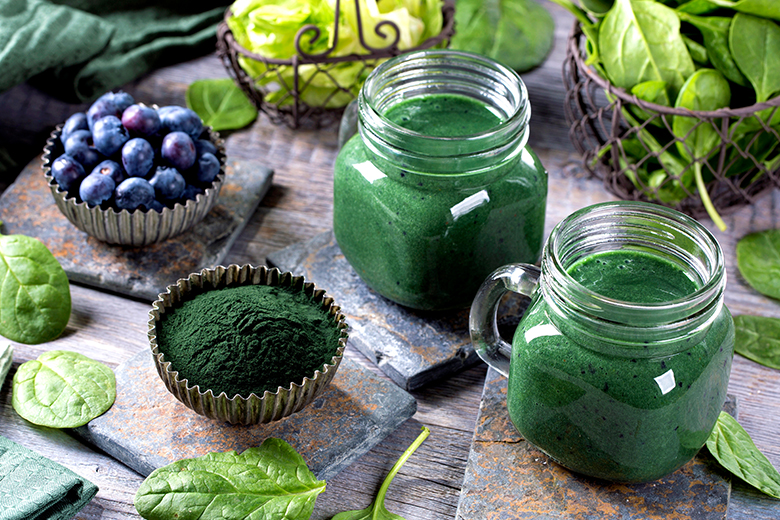
Superfoods have become a popular part of modern wellness routines, with many people looking for nutrient-rich ingredients that complement a balanced lifestyle. Among these options, spirulina has gained attention for its vibrant color, plant-based nutrients, and versatility.
However, one question often comes up before people try it: what does spirulina taste like?
For first-time users, understanding the flavor profile can make it easier to decide how to include spirulina in a daily routine. This blue-green algae has a naturally distinctive taste that some people describe as earthy, grassy, or slightly similar to seaweed. While the flavor may take some adjustment, many people find simple ways to incorporate spirulina into foods and drinks they already enjoy.
What Is Spirulina?
Spirulina is a type of blue-green algae that grows naturally in water environments and is commonly used as a dietary supplement. It has become popular among wellness-focused individuals because it contains nutrients such as plant-based protein, vitamins, minerals, and antioxidant compounds.
Unlike traditional vegetables or fruits, spirulina has a unique origin and composition, which contributes to its recognizable appearance and flavor.
It is commonly available in:
- Powder form for smoothies and recipes
- Tablets or capsules for convenient daily use
- Blended superfood products
Each format offers a different experience, especially when it comes to taste and ease of use.
What Does Spirulina Taste Like?
The taste of spirulina is often described as earthy, grassy, and slightly ocean-like. Some people compare it to seaweed because of its algae-based origin.
The flavor can vary depending on factors such as:
- Growing conditions
- Processing methods
- Product quality
- Concentration level
For some people, the taste is mild and easy to enjoy, while others notice a stronger natural flavor when taking spirulina for the first time.
A few common descriptions include:
Earthy
Many people notice a plant-like flavor similar to leafy greens or concentrated vegetable powders.
Slightly Oceanic
Because spirulina comes from an aquatic environment, it can have a subtle marine quality.
Mildly Bitter
Some users notice a natural bitterness, especially when consuming spirulina by itself.
The taste is one reason many people prefer adding spirulina to recipes rather than consuming it alone.
Why Does Spirulina Have a Distinct Taste?
The unique flavor of spirulina comes from its natural composition. As a type of algae, it contains compounds that contribute to its green color and characteristic taste.
Spirulina contains chlorophyll and phycocyanin, natural pigments responsible for its deep green-blue appearance. These compounds are part of what makes spirulina visually different from many other superfoods.
The production process can also influence flavor. High-quality spirulina products typically focus on careful sourcing and processing to maintain ingredient quality while creating a pleasant consumer experience.
How to Make Spirulina Taste Better
If the natural taste of spirulina feels unfamiliar, there are several ways to make it easier to enjoy.
Add It to Smoothies
Smoothies are one of the most common ways to use spirulina. Ingredients such as bananas, berries, mangoes, or citrus fruits can help balance its earthy flavor.
Popular combinations include:
- Banana and spinach smoothies
- Berry-based blends
- Tropical fruit smoothies
- Protein shakes
The sweetness of fruit can help create a more balanced flavor.
Mix It With Juice
Adding spirulina to naturally sweet juices can help reduce the intensity of its taste. Citrus and tropical flavors often pair well with green superfoods.
Include It in Recipes
Spirulina can also be added to foods such as:
- Energy bites
- Smoothie bowls
- Homemade snacks
- Salad dressings
Using smaller amounts allows beginners to gradually become familiar with the flavor.
Choose Capsules or Tablets
For people who do not enjoy the taste of powdered spirulina, capsules or tablets can provide a convenient alternative. This option allows individuals to include spirulina in their wellness routine without adjusting recipes.
Choosing a Quality Spirulina Supplement
Taste is only one factor to consider when selecting a spirulina product. Quality, sourcing, and transparency are equally important.
Before choosing a supplement, consider:
Ingredient Quality
Look for products that clearly explain the ingredients and avoid unnecessary fillers.
Sourcing Information
Understanding where and how spirulina is produced can help consumers make informed choices.
Testing Standards
Quality testing helps ensure supplements meet expected standards for purity and safety.
Product Format
Some people prefer powders because they can be added to recipes, while others prefer tablets for convenience.
The best option depends on personal preferences and lifestyle habits.
Final Thoughts
Spirulina has a naturally distinctive taste that may take some getting used to, but many people find enjoyable ways to include it in their daily nutrition routine. Its earthy, plant-like flavor can be balanced with fruits, beverages, or convenient supplement formats.
For those exploring premium superfood options, BioOptimal Supplements provides carefully selected wellness products designed to support everyday nutrition routines. Choosing quality ingredients and finding a format that fits your lifestyle can make adding superfoods a simple part of your daily habits.