



Types of Western Saddles and Their Purpose
Understanding the different types of western saddles is essential for anyone involved in riding, training, ranch work, or equestrian event planning. Each saddle style is designed with a specific function in mind, balancing rider comfort, horse performance, and task-specific durability. Whether you are working cattle, competing in rodeo events, or enjoying trail riding, selecting the correct saddle type directly impacts safety and efficiency.
Below is a breakdown of the most common western saddle styles and how they are used in real-world riding environments.
1. Roping Saddles
Roping saddles are built for strength and stability. They are commonly used in ranch work and rodeo events where riders need to rope cattle and maintain control during sudden pulls. These saddles are heavier than most other styles and feature a reinforced tree and a thick, sturdy horn designed to withstand rope pressure.
The deep seat and secure rigging help keep the rider stable during high-force movements, making them ideal for working environments rather than casual riding.
2. Barrel Racing Saddles
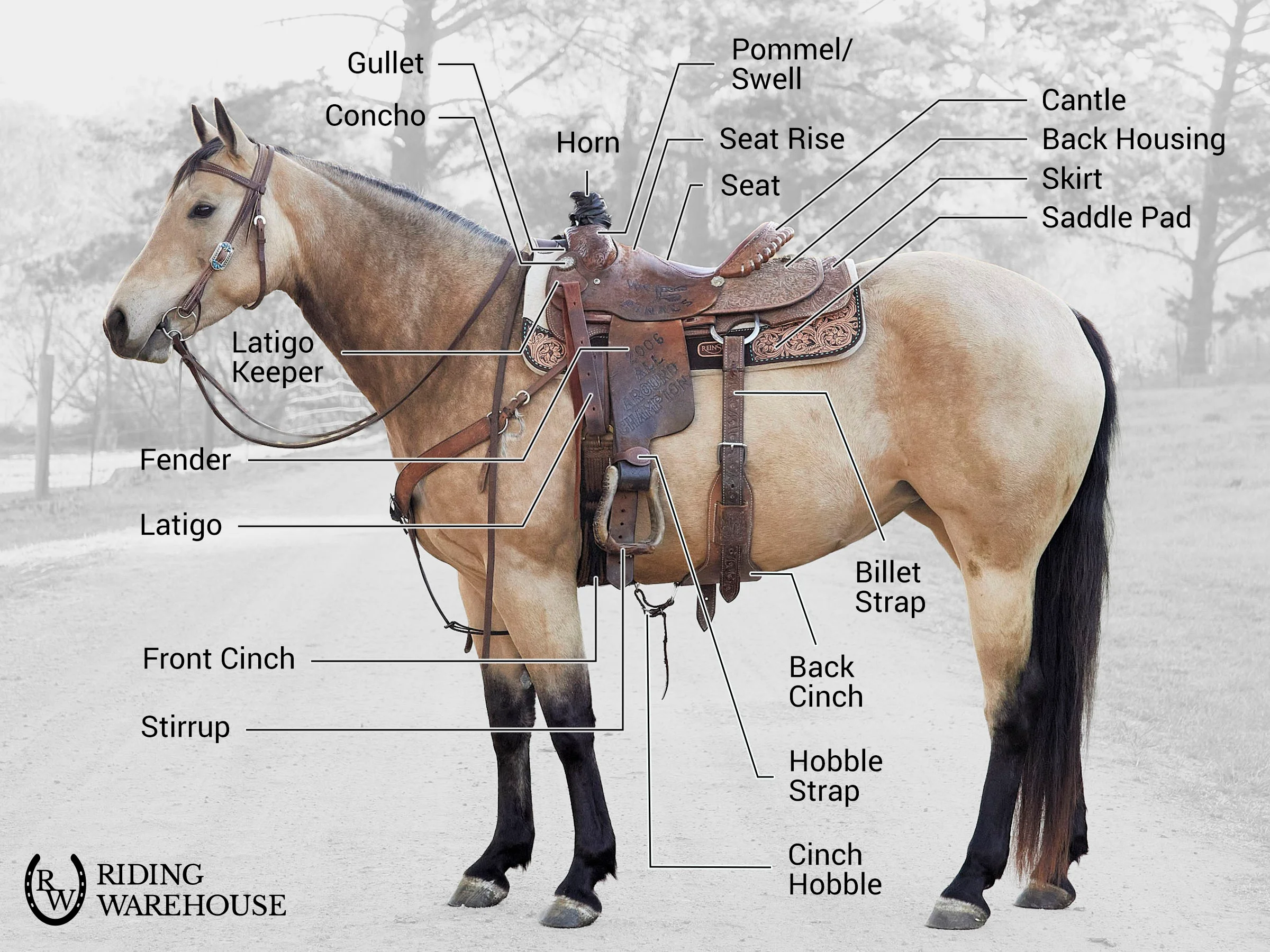
Barrel racing saddles are designed for speed and agility. They are lightweight, allowing horses to move quickly and turn sharply around barrels during competition. Riders benefit from a deep seat and a high cantle, which helps maintain balance during fast maneuvers.
These saddles often feature a shorter skirt to reduce weight and allow the horse greater freedom of movement. They are not designed for heavy work but excel in competitive racing environments.
3. Trail Saddles
Trail saddles prioritize comfort over long distances. They are widely used for recreational riding and are designed with padded seats, wider stirrups, and a balanced structure that reduces fatigue for both horse and rider.
These saddles often include extra attachment points for gear, making them suitable for long rides where riders may carry supplies or equipment.
4. Ranch Saddles
Ranch saddles are among the most durable western saddles available. Built for long hours of daily work, they combine comfort with rugged construction. They typically feature a heavier frame, a deep seat, and a strong horn for handling cattle work.
Because ranch riding involves varied terrain and extended use, these saddles are designed to distribute weight evenly across the horse’s back while maintaining rider stability.
5. Cutting Saddles
Cutting saddles are used in cattle cutting competitions, where horses separate a single cow from a herd. These saddles are designed to give the rider maximum freedom of movement while allowing the horse to react quickly.
They feature a deep seat and a low-profile design that helps the rider stay centered during sudden stops and directional changes.
6. Reining Saddles
Reining saddles are built for precision riding and controlled movements. They are used in competitive reining events that require spins, sliding stops, and tight maneuvers.
These saddles allow close contact between rider and horse, helping improve communication and responsiveness during technical riding patterns.
7. Show Saddles
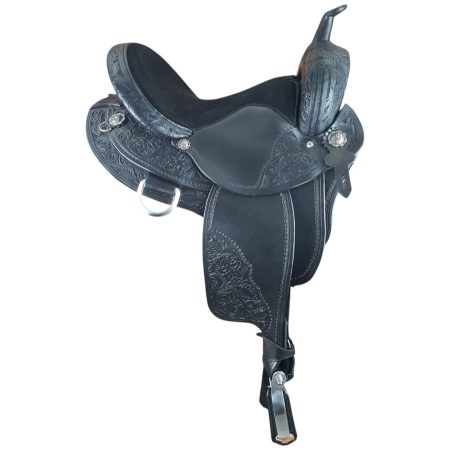
Show saddles are designed for appearance as well as function. They often include decorative tooling, silver accents, and polished leather finishes. While they can be used for light riding, their main purpose is presentation in competitions and exhibitions.
They are typically lighter in performance function compared to working saddles, focusing instead on visual appeal and rider posture.
Choosing the Right Saddle Type
Selecting the right saddle depends on your riding purpose, horse build, and activity level. A roping saddle may be perfect for ranch work, while a barrel saddle is better suited for competitive speed events. Trail riders often prioritize comfort, while show riders focus on presentation.
Proper saddle fit is equally important as saddle type. A poorly fitted saddle can cause discomfort for the horse and reduce performance, regardless of design quality.
Final Thoughts
Each western saddle type serves a distinct role, shaped by decades of riding tradition and practical use. Understanding these differences helps riders make informed decisions that improve both performance and safety.