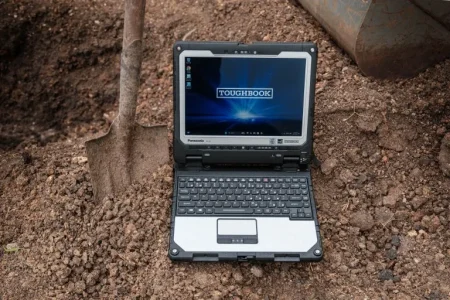





Mobile professionals need a computer that can handle demanding business applications without becoming difficult to carry between offices, airports, hotels, and client locations. The panasonic lets note CF-FV4 is one option for buyers seeking a 14-inch business notebook with a strong combination of processing power, memory, storage, and portability. Before selecting any professional laptop, buyers should consider how its specifications align with daily tasks, travel schedules, security policies, and purchasing requirements.
Balance Portability With Screen Size
A highly portable laptop should be easy to carry without forcing users to work on a cramped display. Smaller laptops may reduce bag weight, but limited screen space can make spreadsheets, presentations, and multitasking more difficult.
A 14-inch display often provides a practical middle ground. It offers more working space than many compact notebooks while remaining easier to transport than a larger desktop-replacement model.
Before purchasing, consider how the laptop will be used:
- Frequent airline or train travel
- Presentations at client locations
- Work from shared offices
- Video meetings
- Spreadsheet and document editing
- Remote access to company systems
Employees who spend most of their time traveling may value portability more than a large screen. Users who work mainly at a desk may prefer to connect the laptop to an external monitor.
Match the Processor to Daily Tasks
Processor selection should reflect the software employees use rather than general assumptions about business computing. Email, web applications, and document editing place different demands on a laptop than large spreadsheets, database work, software development, or media production.
The CF-FV4 configuration featured on the target product page includes a 13th-generation Intel Core i7-1370P processor with Intel vPro technology. Such a configuration may suit professionals who run several applications simultaneously or need more processing capacity than an entry-level business notebook provides.
IT teams should review the recommended requirements for all essential programs before approving a purchase. They should also consider how those requirements may change during the expected service life of the computer.
Choose Enough Memory for Multitasking
Memory plays a major role in how smoothly a laptop handles several active programs. Video meetings, web browsers, office software, communication platforms, and security tools may all run at the same time.
The listed FV4 configuration includes 32 GB of RAM. This amount may support users who frequently multitask or work with large files. However, buyers should still base their decision on actual application use.
Testing the laptop with the organization’s standard software can reveal whether the configuration meets employee needs. It can also help IT teams identify compatibility or performance concerns before purchasing devices for an entire department.
Review Storage Capacity and File Practices
The featured configuration contains a 512 GB solid-state drive. A solid-state drive supports quick startup and file access while avoiding the moving components found in older mechanical drives.
Whether 512 GB is sufficient depends on how an organization stores information. Employees using cloud storage or company servers may need less local capacity. Professionals who travel without dependable internet access may need to store presentations, videos, databases, technical documents, and customer files directly on the laptop.
Buyers should account for:
- The operating system
- Required business software
- Local email storage
- Offline documents
- Security applications
- Software updates
- Temporary working files
Organizations should also establish backup and retention procedures before distributing laptops to employees.
Examine Display Resolution
Display resolution affects text clarity, image detail, and the amount of information visible on the screen. The listed CF-FV4 includes a 2160-by-1440 QHD display.
This resolution can be helpful for professionals working with detailed documents, dashboards, images, or multiple windows. The display’s aspect ratio may also provide additional vertical space for reading and editing documents.
Resolution is only one consideration. Buyers should also assess brightness, glare, viewing angles, and scaling within the operating system. Employees should be able to read text comfortably without increasing the size so much that the benefit of the higher resolution is lost.
Consider Battery Expectations
The featured product specifications list up to 10 hours of battery runtime. Actual use can vary according to screen brightness, wireless activity, background programs, video meetings, and power settings.
Employees who travel throughout the day should consider how often they will have access to an outlet. A charger may be sufficient for hotel and office use, while workers moving between short meetings may place greater importance on battery life.
Organizations should evaluate battery performance under their normal software load rather than depending entirely on a published estimate.
Confirm Wireless and Peripheral Needs
The listed laptop supports the IEEE 802.11ax wireless LAN standard. Buyers should confirm that the computer works with their office networks, remote-access tools, wireless security rules, and commonly used accessories.
Create a list of peripherals employees may connect, including:
- External monitors
- Keyboards and mice
- Presentation equipment
- Headsets
- Storage devices
- Card readers
- Docking stations
Confirming these needs early can reduce the number of adapters and replacement accessories required after deployment.
Review the Operating System and Security Features
The featured FV4 configuration includes Windows 11 Pro. Business-focused operating system features may support company device management, security controls, and remote administration.
Intel vPro technology may also be relevant to IT departments managing computers across several locations. However, organizations should confirm that their management tools and security policies support the exact hardware configuration.
Before purchase, IT teams should review encryption requirements, account permissions, endpoint protection, remote support, and device recovery procedures.
Understand TAA Compliance
The listed CF-FV4 is described as TAA compliant. This status can be important for certain US government purchases and contracts that include Trade Agreements Act requirements.
TAA compliance does not automatically make a laptop suitable for every government order. Procurement teams should verify the requirements of the specific contract, agency, or purchasing program before ordering.
Consider the Complete Purchase Cost
The initial laptop price is only part of the expense. Organizations should also account for docks, adapters, carrying cases, monitors, software licenses, support, and future battery replacement.
A suitable business laptop should provide the right balance of performance, portability, compatibility, and purchasing compliance. To review the Panasonic Let’s Note CF-FV4, confirm current availability, or request configuration information, visit Tough Rugged Laptops and speak with a representative about your organization’s computing needs.