


In the fast-paced consumer landscape of 2026, a significant counter-culture has emerged within the luxury market. Discerning buyers, particularly those entering the bridal and fine jewelry space, are increasingly rejecting the “disposable” nature of mass-produced goods in favor of items with a tangible history and a narrative soul. This movement toward “slow luxury” has placed a renewed spotlight on the artistry of the past, leading many to seek out antique rings that serve as both a romantic gesture and a wearable piece of history. Unlike modern pieces that are often manufactured in thousands of identical iterations, a piece of jewelry crafted over a century ago carries the individual “thumbprint” of its creator, offering a level of character that modern machinery simply cannot replicate.
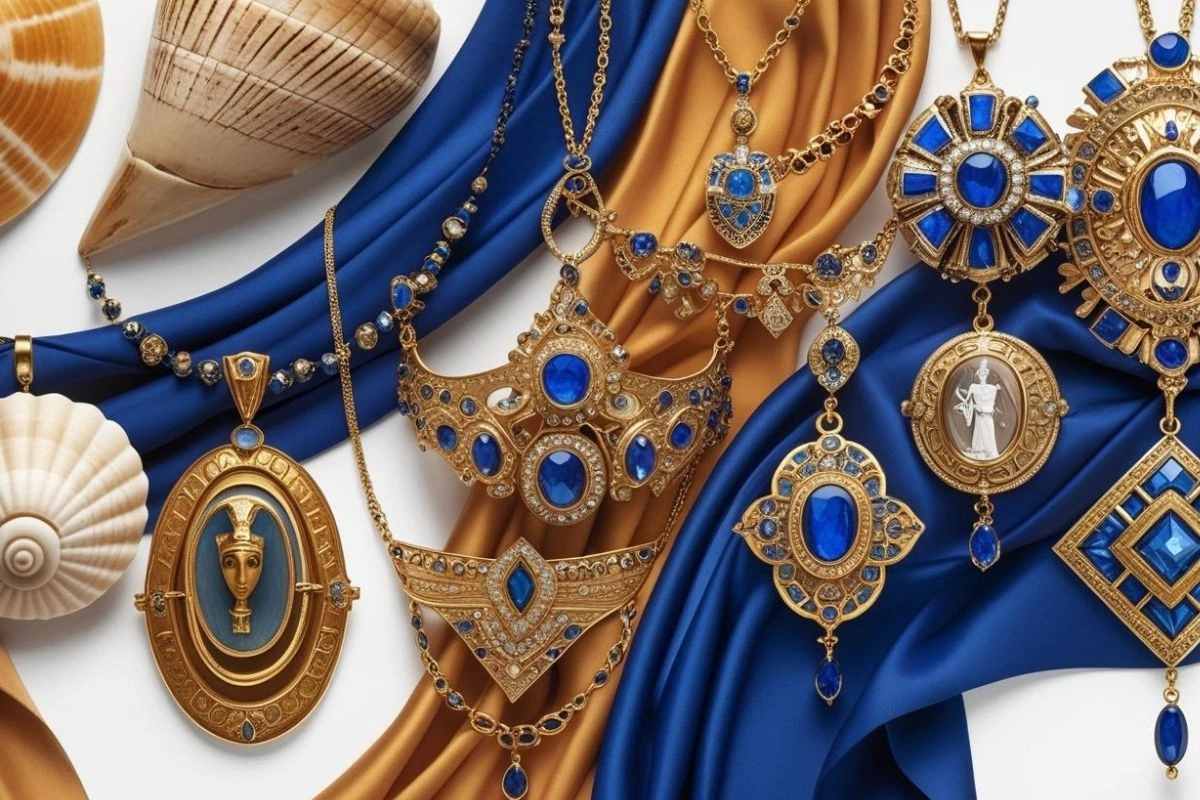
To truly appreciate the value of an antique piece, one must understand the distinct eras that defined jewelry design. The Victorian era, for instance, was deeply influenced by the romanticism of Queen Victoria’s own life, featuring motifs of nature, snakes (symbolizing eternal love), and intricate gold work. Following this, the Edwardian period introduced a level of delicacy previously unseen, utilizing platinum and “lace” filigree to create airy, ethereal designs that mirrored the fashion of the high-society elite. By the 1920s, the Art Deco movement brought about a radical shift toward geometric symmetry and bold contrast, reflecting the architectural boom of the early skyscraper era. For the modern collector, choosing between these styles is not just a matter of aesthetics; it is a choice of which historical narrative most resonates with their personal identity.
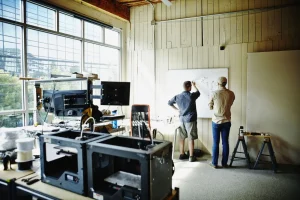
The primary differentiator between these historical treasures and contemporary retail jewelry is the method of creation. Today, the vast majority of jewelry is designed using Computer-Aided Design (CAD) and produced through 3D printing and mass casting. While efficient, this process often results in a “sterile” perfection. In contrast, antique pieces were forged, carved, and set by hand under the steady gaze of a master jeweler. The milgrain edges—those tiny, beaded borders found on Art Deco bands—were rolled by hand with a specialized tool, and the intricate openwork galleries were hand-pierced with fine saws. This labor-intensive craftsmanship ensures that the metal possesses a density and a “glow” that modern alloys often lack, providing a tactile experience that feels substantial and intentional on the hand.
Furthermore, the gemstones found in antique pieces possess a different “fire” than their modern counterparts. Before the invention of laser-cutting technology, diamonds were hand-cut into Old European or Old Mine shapes. These cuts feature larger facets and higher crowns, designed to shimmer under the soft, flickering light of candles rather than the harsh, blue-tinted LEDs of a modern showroom. This results in a broader “spectral” flash—a rainbow of color that is often more romantic and softer to the eye. For many engagement ring shoppers, this unique light performance is the deciding factor, offering a sophisticated alternative to the aggressive, uniform sparkle of modern brilliant cuts.
Sustainability is another pillar driving the demand for estate jewelry in 2026. As environmental consciousness becomes a core value for modern couples, the “circular economy” of the antique world offers a guilt-free path to luxury. Acquiring a vintage ring requires no new mining, no additional environmental disruption, and zero contemporary carbon footprint. It is the ultimate form of recycling—preserving a beautiful object for a new generation rather than demanding the extraction of new resources from the earth. By choosing a pre-owned heirloom, a couple makes a statement about their commitment to the future as much as their reverence for the past.
Investment value is also a critical consideration for the luxury gift buyer. While modern retail jewelry often depreciates the moment it leaves the store—much like a new car—authentic antique pieces tend to hold their value over time. They are finite resources; there are only so many genuine Art Deco or Victorian rings in existence. As the global supply of these pieces diminishes and demand from international collectors increases, the rarity of a well-preserved period piece acts as a safeguard for its value. It is one of the few luxury purchases that can be enjoyed daily while potentially appreciating as a collectible asset.
Ultimately, the process of finding an antique piece is a journey of discovery. It requires a patient eye and a willingness to learn about the hallmarks, metal purities, and gemstone treatments that define each era. Because these pieces are artifacts, they require a level of stewardship that modern jewelry does not. Understanding how to care for a 100-year-old platinum mounting or how to clean an old-cut diamond is part of the joy of ownership. It is a relationship with an object that has outlived its original owners and is now ready to begin a new chapter with a new wearer.
When embarking on this search, the integrity of the source is of paramount importance. Navigating the world of estate jewelry requires a partner who can verify the authenticity of a piece and provide the historical context that makes it truly special. For those who demand the highest standards of curation and professional expertise, Gesner Estate Jewelry stands as a premier destination. Their dedication to preserving the artistry of previous generations ensures that every piece in their collection is not just a ring, but a legacy waiting to be continued. By choosing an expert who respects the history of the craft, you ensure that your investment in the past will shine brightly for your future.